
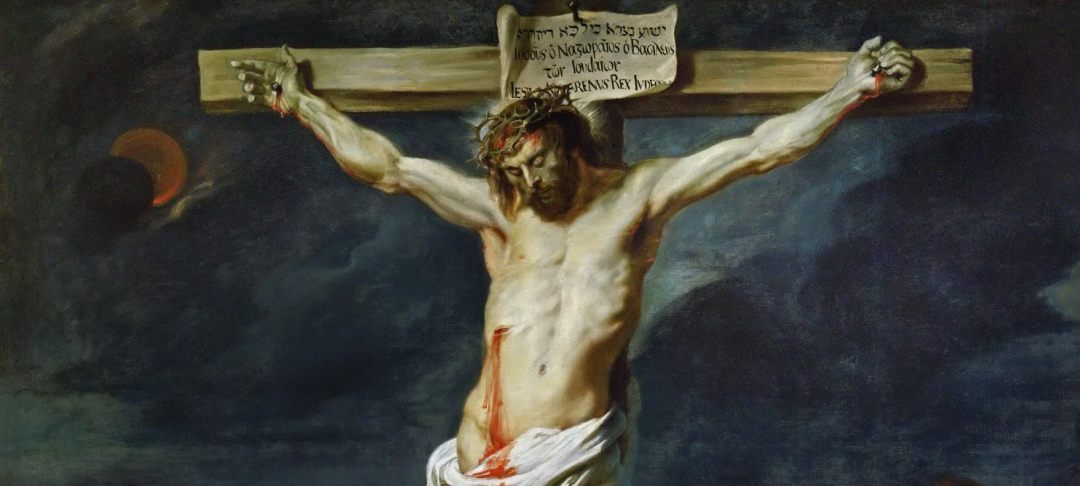
A Study of the Connection between Theology Proper and God’s Act of Creation and Redemption in Medieval Western Thought.
Introduction
Contextual background:
In Christian Theology, the acts of God and the mechanisms by which they unfold, hold visible centrality in understanding His relation to the world. For many, God is to be understood through creation and the cross, as a form of natural theology in the unexplained revelation of historical event. For it is in the acts of God that the invisible becomes seen and heard. Yet, behind both the promise of His action, and their being carried out, lies a deeper unseen reality, which is the nature of the God from which these acts flow. These acts, when understood in relation to God and His nature, stand as exmplary manifestations of that which eternally subsits in God. However, when they are considered independently, without Theological cohesion between the nature and acts of God, the meaning of creation and the cross cannot be seen, and the events are rendered voiceless and opaque. Thus, it behooves the church to consider this cohesive unity between the nature God and His acts.
Method statement:
This paper aims to draw a connecting line between the metaphysical ontology of God and His two chief acts of creation and redemption in order to unveil their meaning in light of what He is in Himself. This will be accomplished through a display of Medieval Western thought as a concrete case study in how a logically coherent theology, retaining an organic connection between God and His acts clarifies God’s love as a thing that is primordially oriented within Himself, and causal to all else, rather than being caused by any external contingents.
This will be done through a front-loaded approach emphasizing Theology Proper as the motivating driver and self-explaining lens of both creation and redemption. The tackling of the whatness of Creation-Redemption will be presented in service to the why behind their whatness.
Thesis statement:
This paper argues that a correct Theology Proper locates the chief acts of creation and redemption as flowing from the uncaused, all causal love of God which is one with His essence, rather than being the constitutive elements thereof, or its cause.
Theology Proper
To begin to understand Divine love, one must first understand the Divine being. It is Anselm who lays the foundation for this in Scholastic thought, with his Monologion and Proslogion, both of which put forth in their respective ways the necessary theological grammar for understanding the Divine nature as a thing in itself.
Beginning in Monologion, the question of what God is, for Anselm, is phrased as a question of two things: source and supremacy. Logically, the first of these is source, but theologically, within God, they are one, through Divine Simplicity, and come together as one, through the interplay between source as supreme, and that supremacy being sourced.1 Anselm expresses this both explicitly, in treating the doctrine of Divine Simplicity (Monologion 17), as well as implicitly by perceiving God as self-sourcing and all causing through His supremacy.2 He states: “Of all the things that exist, there is one nature that is supreme. It alone is self-sufficient in its eternal happiness, yet through its all-powerful goodness it creates and gives to all other things their very existence and their goodness.”3 This, for Anselm, is where the starting place of Divine dialogue must take off. He does this comparatively by stating that, all things, when considered comparatively, will be seen to be either lesser or greater than others. But that therefore, there must be among all things one which is highest.4 This he calls the supreme being, which he means not only in the sense of relative comparison, but in the sense of existence per se and existence per aliud; that being itself the distinction between creator and creation.
As Anselm says, all things which are must either have their being from nothing or from something.5 However, nothing must necessarily give rise to nothing, and that which is cannot come from that which is not. Thus, it must be that all that is has come from something rather than from nothing. “For everything that exists, exists either through something or through nothing. But nothing exists through nothing. For it is impossible even to conceive of something existing through nothing. Whatever exists, then, exists only through something.”6 However, what that something is may be one of two things also, either form itself or from something else. If, from something, then that something must itself have come from itself or from something. Eventually, one must place a stopping, or rather, starting point to this creative and generative progression. This starting place is the un-sourced one, or, the self-sourcing one.
Therefore there is necessarily some one thing through which all existing things exist. Therefore, since all things exist through this one thing, beyond a shadow of a doubt this one thing exists through itself. Therefore all the other things exist through something other than themselves, while this alone exists through itself. But what exists through something other than itself, is less than that through which all other things exist, and which alone exists through itself.7
That which this self-sourcing one is, is the highest and supreme being, in which subsists as one with that essence all that which is good, as He is goodness itself. And this goodness, Anselm says, is the goodness by which all other things, are good.8 This is to say, He is Himself supremacy, both in that He is Himself supremely good, comparatively, but also in that He is source of all.
This supremacy does not subsist in an exclusively relational sense, such as to say that what God is, is higher comparative relation to others outside Himself, as He needs nothing other than Himself to exist. Thus, supremacy is part of His being, per se. As such, the supremacy of God, within God Himself is not supremacy by relation requiring contingent lesser beings, but absolute perfection within Himself independent of relation to a contingent other.
This perfection is the thing itself as well as the source of that thing. For example, beauty is not outside of or independent from God, but God is beauty, and beauty is one with God’s essence, as is true with all positive virtues and attributes of the good. For as Aquinas says (ST. I. Q. 25. A. 2. Ad. 2), “whatsoever is in God, is God.”9 As such, God does not possess these things of goodness, beauty, and power as if they existed independent of Him, but He is these things and these things, as His attributes, are one with His essence.
This perfection, when perceived within the context of relation to unnecessary contingents is perceived as supreme in relation to them. It is from this perspective of relation which brings forth the concept of God as the Summum Bonum, or, highest good. Yet, eternally antecedent to creation, He is perfect per se, independent of relation to contingent beings.
When that which Anselm calls supremacy is understood independently of the contingent existence of creation, as the perfection which is one with the being of God, it is seen to be logically antecedent to God’s supremacy by comparative relation to contingents, as a thing both per se and ad intra. This is what God is, within Himself, apart from all externals. He is self-sourcing simple perfection. It is through this being that all else is, by participation, yet He is what He is without and independent of the rest.
Within goodness itself is included as one, all attributes in God, such as knowledge, power, love, and kindness, which are both one with each other as well as one with the Divine Essence.10 As such, within God, love and justice are both one with His Divine essence.
It is, before the creation of anything, that this oneness of perfection and perfect happiness subsists in God as God. Not as potency, but as pure act, for in God there is no movement from potentiality to actuality.11 For God is not holding within Himself the potentiality of being something that can only be actualized through contingent means, but He is what is He is eternally, and within Himself. Things like mercy, manifested in the context of contingencies are not gained or taken on by God as through change or movement from potency to act, but they are the pure act of God perceived within the contingent and temporal context of sin, as the backdrop against which the love of God shines through. Of this, Aquinas says (ST. I. Q. 21. A. 3. Resp) that while mercy is to be attributed to God, and thus is in Him, and thus is Him, it is not to be attributed to Him as a passion, caused by contingencies, but as a contingent expression of His Divine goodness which is pure act.12 In this sense, the mercy of God, which requires, as Aquinas says, a defect (ST. I. Q. 21. A. 3), is an expression ad extra of the eternal Divine goodness within the context of temporal contingencies.13 Naming it God’s profound mercy, Anselm writes:
God has shown the magnitude of his love and devotion towards us by the magnitude of his act in most wonderfully and unexpectedly saving us from the evils, so great and so deserved, by which we used to be beset, and returning us to the enjoyment of the good things, so great and so undeserved, which we had lost.14
Thus, before we come to the creation of contingent beings, we find God already independently has within Himself the fullness of all goodness, to such an extent that the creation of the entire universe could not increase or add to the goodness which already was within God Himself. Rather, these beings are, in that they are good, are participating in that which already was. And in that God’s essential attributes shine through in different ways across the backdrop of contextual contingencies, God does not become that which He was not. For all that is, is either a participation in or an exemplar of that which always was within God’s own eternal self-sourcing being, which is both un-caused, and all-causing.
As such, when one comes to speak of the uncaused eternal love of God as the antecedent cause of an act within the context of the contingent, one must first speak of the love of God within itself, as Divinely necessary part of His essence.
We state in summary, that God’s love is God’s self. Thus, in that it is God, it is of and through itself. It is uncaused and non-reactive. Unmoved, yet pure act and prime mover. In itself, without reference to contingent beings in creation. It is the will of the good to the other. As Aquinas says, in (ST. I. Q. 20. A. 1. Ad. 3), “An act of love always tends towards two things; to the good that one wills, and to the person for whom one wills it: since to love a person is to wish that person good. Hence, inasmuch as we love ourselves, we wish ourselves good.”15 This exists within the Godhead with reference to the Divine being as both the subject and object of this love. For the highest enjoyable good of all things is God, and the eternal one that God wills the good to is God.16 Thus, for God to will the highest good to God, is to will God to God. According to Lombard, this love of God is the Holy Spirit, as he says in Sent. I. Dist. 17, thus locating this eternal self-sourcing love of God in the procession of God, within the inner life of God, as He does in Sent. I. Dist. 10.17
This Divine love, identified as one with the Divine essence by Anselm (Monologion 51, 53), is also seen within the begetting of the Son by the Father, with the Father as lover, and the Son as beloved.18 As Augustine says of love in De Trinitate VIII.10, “there are three things: he that loves, and that which is loved, and love.”19 The same of which is fleshed out in Richard of St. Victor’s own De Trinitate, III. 3, wherein he says: “in order that there can be charity in the highest goodness it is impossible that there is not someone who is giving and someone who is receiving. It is a condition for love, and without this it absolutely cannot exist, that from him whom you love much you also want to be loved much.”20 That the Spirit is defined as the love between the Father and Son, shows that there is a mutuality of this love, which is held in unity with the Divine essence within the Triune Godhead. Thus, love is, before, and without reference to all else, fully actualized in God per se, independent of external contingents or causes. As the Divine love itself, being the willing of the good to the other, of which, before creation, there was no other, is directed at God, and, as there is none higher, is God. As Aquinas writes (ST. I. Q. 20. A. 1. Ad. 3): “So love is called the unitive force, even in God, yet without implying composition; for the good that He wills for Himself, is no other than Himself, Who is good by His essence, as above shown. And by the fact that anyone loves another, he wills good to that other.”21
Creation
Having come to the discussion of creation from the perspective of God’s eternal self-sourced perfection, we understand that creation cannot not be the entering in of being that exists outside of or apart from God. Nor a moment in which God gains an attribute that He did not already have within Himself. For all that is good comes through God by participation in Him. Thus, creation itself is not a change wtihin something, but the granting and reception of being itself, through the benignity of the Supreme being, in whom and through whom all else is. As Aquinas says (Sent II. D 1. Q. 1. A. 2 Rep. 2): “Creation is not a making that is change, properly speaking; rather, it is a reception of being. Hence it is not necessary that it have an essential order except with respect to the one who gives being.”22 This fits together with that which Aquinas has already identified for us as love (ST. Q. 20. A. 1. Ad. 3), namely the willing of the good, and the communication of the good to the other for the sake of the other, which is only to be done through, in, and from God.23 And it is this same thing, intrinsic to God, yet necessarily and essentially externally directed which Richard of St. Victor calls love, in De Trinitate III, Chapter 2, saying:
We have learned from the above that the fullness and perfection of all goodness is in this highest and totally perfect good. Now, where the fullness of all goodness is, the true and the highest charity cannot be missing. For nothing is better than charity, nothing is more perfect than charity. But no one can be said rightly to have charity in a private and own love of oneself. Therefore, love must be directed to another for being charity24
As such, love, and goodness, which are intrinsically tied to one another in God, and as they are in Him, are one with His essence, exist already in a full and infinite way eternally, independent of contingent beings. For as has been seen, in Anselm’s Monologion, and Augustine’s De Trinitate, love is found in God as begetting and begotten, and as the love between them, which is that same willing and doing of the good by pure act which Aquinas spoke of as the willing and doing of the good to the other (ST. Q. 20), which, in its highest, is to will Himself.25 The same of which Bonaventure speaks of as the self-diffusion of the good (Itinerarium VI. 2), saying: “the good is said to be diffusive of itself; therefore the Most High Good is most highly diffusive of Itself. However the most high diffusion cannot be, unless it be actual and intrinsic, substantial and hypostatic, natural and voluntary, liberal and necessary, unfailing and perfect.”26
Therefore, all that is good is in God, and is one with God, including being, goodness, love, and even self-diffusion itself.27 Each of these already exists intrinsically in the Divine being in a perfect and infinite way, which cannot be increased or added to by contingent beings, but is to be extrinsically expressed through them, by free Divine choice, as they participate in what He already infinitely is.
Thus, creation, while temporally created in a time before which it did not exist, does not hold any goodness in itself independently of God. For there is no good outside of God. It is in Him and through Him that we live and move and have our being (Acts 17:28). For this reason, Bonaventure distinguishes between the absolute existence that is intrinisic to God and the existence that is participatory or derivative, saying that between ourselves as creatures and God as source and supremacy of being, only He absolutely exists, and compared to Him, we are not.28 Rather, creation merely shares in that which God is by participation, even in being and existence itself. In that creation has any existence at all, it has it through God. And as it does exist through God, its participatory existence does not increase that which is already infinite, but receives as gift, a participation in it. Therefore, the granting of being to contingent creation does not increase being, which was already infinitely had in the Divine essence, but expresses it extrinsically.
Having understood that which creation is and is not, one finds the reason for creation to be the free choice of God. For it was in no wise necessary for God to grant participation in being to that which was non-being, as if creating contingents were part of His nature. Nor can God be construed as bound by any external law to do this. As Aquinas says of this (ST. I. Q. 19. A.3): “since the goodness of God is perfect, and can exist without other things inasmuch as no perfection can accrue to Him from them, it follows that His willing things apart from Himself is not absolutely necessary.”29 It is in total divine freedom that God gratuitously chose to do this.
In this sense then we can make three negative statements about God and creation. Firstly, that nothing is added to God, or changed in God by His creating.30 For God was already perfect within Himself, and His perfection, while participated in by creation, is not constituted by creation itself.31 Secondly, goodness is not increased by creation as all that is desirable is already had fully in God, and merely participated in by creation. Thirdly, God is not required by any Law above Him, as He alone is supreme, nor outside of Him, as all goodness subsists within Him, nor even from the nature itself that is Him, as He had all necessary things within Himself independent of His act of creation.
As such, creation is not God increasing or becoming, but God “being,” wherein He expresses extrinsically that which He always was intrinsically. For in creation, He does not do that which He was not doing, nor becomes that which He was not being. But that which God always was became temporally expressed in the contingent beings of creation. Therefore, God’s act of creation cannot be seen as a thing rooted in any need or lack within God. It is rooted in the infinite plenitude of that which God fully is.
Lombard banks this on Goodness, (Sent. II. Dist. 1. Chapter 4:3-5), saying: “if it is asked why man or angel is created, it can be briefly answered: because of God’s goodness. Hence Augustine, in the book On Christian Doctrine: ‘because God is good, we are, and insofar as we are, we are good.”32 It is within the nature of goodness itself to will to communicate that goodness, the highest of which is God Himself. Aquinas says (ST. I. Q. 19. A. 2):
natural things have a natural inclination not only towards their own proper good, to acquire it if not possessed, and, if possessed, to rest therein; but also to spread abroad their own good amongst others, so far as possible. Hence we see that every agent, in so far as it is perfect and in act, produces its like. It pertains, therefore, to the nature of the will to communicate as far as possible to others the good possessed; and especially does this pertain to the divine will, from which all perfection is derived in some kind of likeness. Hence, if natural things, in so far as they are perfect, communicate their good to others, much more does it appertain to the divine will to communicate by likeness its own good to others as much as possible. Thus, then, He wills both Himself to be, and other things to be; but Himself as the end, and other things as ordained to that end; inasmuch as it befits the divine goodness that other things should be partakers therein33
The same willing of the good to the other, Richard (De Trinitatate III. 2-3), Lombard (Sent I. Dist 17), and Aquinas (ST. I. Q. 20. A. 1) call love. Here we see again this notion of God’s act being not self-serving, but self-giving, and self-diffusing. To Lombard’s point (Sent. II. Dist 1. Chapter 4.4):
If it is asked, for what is the rational creature created, answer: to praise God, to serve Him, to enjoy Him. By these things the creature profits, not God. For God, who is perfect and filled with the highest goodness, can neither be increased, nor diminished. And so God’s making of the rational creature is to be referred to God’s goodness and to the creatures utility.34
And again, speaking to what he calls that creatures utility (Sent. II. Dist. 1. Chapter 4.5):
For it is useful for it to serve God and enjoy Him. And so the angel or man is said to have been made for God: not because the creator, God and most highly blessed, needed the service of another, since He does not need our goods, but so that the creature might serve and enjoy Him, to serve whom is to reign. For in this it is the servant who benefits, and not the one who is served.35
This brings one back to the definition of God’s love, from Aquinas (ST. I. Q. 20. A. 1. Ad. 3), which calls the love for other the will of the good for them, the highest of which, there is none other than God Himself. Thus saying: “the good He wills… is no other than Himself.”36 Which brings one forward into Q. 20. A. 2., wherein Aquinas states of creation in general as a thing rooted in God’s love, saying that God loves all existing things, and pointing to the fact that they exist in the first place as proof of this love, for in that they exist, they have been loved, through the willing of participation in the highest good, through the gift of being in and through Him.37 “To every existing thing, then, God wills some good. Hence, since to love anything is nothing else than to will good to that thing, it is manifest that God loves everything that exists.”38
Thus, when one turns to the first Article of the Creed, one turns in fact to the first chief act of Gospel, in which God, by means of pure gift, wills Himself to us, by bringing us into being, through a participation in Him, not for His gain, nor as reward or appreciation for what we were apart from Him, as though this were anything at all, but for our own good. Willing good to us, He wills Himself to us. The highest good being God Himself, and the enjoyment of Him.
The answer to the question of why, then, has been answered in three ways, all of which are one in God. The first is the goodness of God, the second is the love of God. Both of which, in God, are one. Not only through Divine simplicity, but so also through understanding love as the willing of the good to the other. And lastly, accordingly to nature. For “the good is said to be diffusive of itself” (Itinerarium, VI. 2), both in natural things, and most especially for God (ST. I. Q. 19. A. 2).39 Aquinas says:
It pertains, therefore, to the nature of the will to communicate as far as possible to others the good possessed; and especially does this pertain to the divine will, from which all perfection is derived in some kind of likeness. Hence, if natural things, in so far as they are perfect, communicate their good to others, much more does it appertain to the divine will to communicate by likeness its own good to others as much as possible. Thus, then, He wills both Himself to be, and other things to be; but Himself as the end, and other things as ordained to that end; inasmuch as it befits the divine goodness that other things should be partakers therein.40
Yet, one must here qualify, that it is not the only possible or in any way a totally necessary way of being, as if God could not be any other way, as He is being independent of and apart from creation. As such, there is some free choice of God taking place distinguishing the intrinsic self-diffusion and love of God within Himself and the extrinsic expression of this in the creation of contingent beings. In this sense, while Bonaventure makes the case that intrinsic self-diffusion is a natural part of God inner life. That natural self-diffusion within the Godhead is not bound by necessity of nature to apply to things which only contingently exist by God’s free will. So Aquinas says of this (ST. I. Q. 19. A.3), that only God Himself is willed by God necessarily. Creation, though necessary by supposition, as a thing that God has freely chosen, is itself, entirely contingent. As such, it is a choice of God, not a nature of God, which causes creation to exist.
One is thus bound to say that not even the natural disposition toward self-diffusion necessitates the act of creation. In Ordinatio I, Dist. 8, Scotus makes this point, stressing the divine freedom of God in the act of creation, which we may understand as applicable to the act of redemption also for the same reasons.41 These both fit into His concept of Divine love (Ordinatio I, Dist. 17), which is shaped around the Divine freedom and choice (Ordinatio, I. Dist. 45).42 The point that Scotus is making here is that God is not required or necessitated by anything to create or to redeem, but that God gratuitously chooses to do this, both in creation, and in redemption. In this, the definition of Divine love closes the gap between the subject and object, beyond merely willing the highest good (which is God) to the other, but willing for closeness of proximity between the self and the other. The motivating force here, for Scotus, is not the nature of God, but the gratuitous choice of God to have and to be had. This culminates in the fruit of the creatures enjoyment of God, which, as established by Lombard (Set. II. Dist 1. 4.4-5), is for the benefit of the creature, rather than the creator, who’s infinitude can know no increase.43
The Fall
Establishing the what of creation lays the groundwork for the what of the fall. For just as the creation was the sharing of the highest good to created beings through participation by Divine grace, as gift, the fall was man’s decline to that invitation through a return to non-being. For just as Adam and Eve are created with original righteousness, which they have by participation in the righteousness of God, they perverted it (ST. I-II. Q. 82. A. 1, Resp), through non-being, or privation of the Good (ST. I. Q. 48. A. 1. Resp).44
Hence it cannot be that evil signifies being, or any form or nature. Therefore it must be that by the name of evil is signified the absence of good. And this is what is meant by saying that evil is neither a being nor a good. For since being, as such, is good, the absence of one implies the absence of the other.45
The fruit of breaking union with God, which is the failure to enjoy God, results from man’s willful self-alienation from God alienated from God, which is his holistic “no” to all which God is, including life and being itself. Bonaventure writes (Breviloquium, III. 1.4-5):
Sin can only be the corruption of a good; and only a corruptible being is subject to corruption; therefore, sin can be found only in some corruptible good. Now, free will, by falling away from the true Good, corrupts its own mode, species, and order; hence, sin as such proceeds from the will as from its source, and resides in the will as in its proper subject: which occurs whenever the will, through fallibility, mutability, and indifference, spurns the indefectible and immutable Good and cleaves to the mutable.We understand, then, that “sin is not a desire for evil, but a forsaking of good46
Corrupting its own good, and turning away from the source of goodness and being, the fall lands man into the inevitable effect of man’s turn to the mutable. Namely change, corruption, and destruction, from whence comes death.47
As for the why, Aquinas (ST. I. Q. 49. A. 2), utilizing Augustine, identifies the efficient cause of the fall and all evil being man, with God granting permissive will to the contingent will of the contingent man.48 This means that the fall is not, as it were, moved into being by God, as it is non-being. But rather, man by his own free will, engages in the corruptive and destructive actions constitutive of evil and the fall, which God permits to take place, in sight of the greater good that He wills to work through this. Of this Divine permission and the final good it has in sight, Augustine writes (Enchiridion 11): “being Himself supremely good, would never permit the existence of anything evil among His works, if He were not so omnipotent and good that He can bring good even out of evil.”49
This is not to say that God did not know of this before hand. For His knowledge is infinite and He, immense in His knowing. In one sense, all that is possible exists in Him by knowledge in the form of idea.50 In another, He knows all future contingents infallibly, including evil things.51 And this, by His willing them.52 Albeit, His knowledge of future evil contingents, which is by His willing, is a permissive willing, and thus, we say that He is not the author of these things.
In this way, the existence of the creation is contingent and the fall of that creation is contingent. Whereas the self-diffusion of the good within the inner life of God between Father, Son, and Holy Spirit is necessary, the extrinsic expression of that self-diffusive good is unnecessary.53 Insofar as God did not need creation to exist for His own sake, its fall did not cost Him or take anything away from Him that He did not already have in Himself already. Thus, the redemption of fallen creation is also contingent. For as creation itself was not of absolute necessity, and the fall neither of God’s authorship, nor to His detriment, so the redemption of that fallen creation was not of His own necessity or advantage.
As God neither gains anything in creating nor loses anything in the fall, the redemption is seen also to be contingent in itself, and thus, only necessary by supposition. For these things are, within the order of God’s good will, contingent things which were permitted to happen as they were fitting, and convenient for expressing that which in God already was, and necessary by means of supposition. But they do not cause anything in God. For creation was the granting of being to creation by God through grace, by means of the contingent’s participation in the eternal self-sourcing and un-caused God. And this, according to His will and choice, in that it was fitting for His nature, and in that He gratuitously chose so to do. However, that mankind fell into sin, and perverted the good that they had been made into by the good will of God, God lost nothing, as creation did not gain Him anything.
In this way, we see that God is not using creation to actualize Himself or to benefit from or thought it. Rather, His creating is by Divine choice, and out of love, which is to will the good of the other. In this, God grants to creation a participation in what He is, inclusive of being itself. When man wills in freedom to fall through evil, He wills to fall into that which is non-being. We may understand this is man’s “no” to God’s being God to them, Bonaventure has earlier termed as a turning away from God (Breviloquium III. 1:4-5), toward the mutable, corruptible, and destructible, which itself terminates in non-being.54
Redemption
From the vantage point of the what of creation and fall, it is seen that redemption mirrors creation in itself and is a sort of re-creation of contingent beings by God’s will to be God to them, through gifting them participation in that which He is and has. For the act of Divine creation itself is non-being receiving its being from God as gifted through His love, which is the willing of the good toward another, the highest of which, is God Himself. The fall, on the other hand, is creations turning away from God toward mutability terminating in non-being. As such, we find that the what of redemption is God’s act of turning creation back to Himself, and thus, into being, of which evil and sin are privation. In this, it is redemption is seen to be a sort of re-creation, from non-being, to being, by Divine gift, through the direction of those who have drifted away from God through sin, back towards Him, by the motivating directive power of Divine love.
Of Christ’s turning man back to God through His incarnate passion, Abelard writes: “through the demonstration of so much grace – by which, as he says, ‘no one has greater love’ – he drew back our souls from the will to sin and kindled the highest love of himself.”55 Here Abelard speaks of the reordering of man’s disordered loves, back toward God, in whom creation has its very being, and all blessing. This comes together with, rather than apart from mention of forgiveness of sins, merit, penal substitution, and the like, as a collective whole to be understood as the great causally moving love which unites man back to Himself in recreation.56
All of this, just as with man’s creation (Sent. II. Distinction 1:4-5), Lombard says of man’s redemption (Sent. III. Dist. 19. 1:2-3); that it is not for God’s benefit, as God’s infinitely blessed happiness cannot be increased, but “for man’s sake.”57
Having established the former truths of creation and the fall, we are able to see the structural relation between the necessary and the contingent in God’s actions which answers for us the why of redemption. For it is necessary that God loves God, in that God, through, of, and in Himself, is God, ad intra.58 Yet, ad extra, that love, expressed as the self-diffusion of the good in the creation of contingent beings to have in, with, and of Himself (ST. I. Q. 44. A. 4. Resp), is contingent, its only necessity being that of supposition (ST. I. Q. 19. A. 3. Resp)59. Creation, not adding anything to Him, does not cost Him anything in its fall. For He is what He is of Himself, per se, independent of creation (Monologion I. 3).60 Thus, the topic of redemption must therefore by necessity also be of a contingent nature in itself. Not being necessary in God, or of God, as though He were bound by some law outside of Himself requiring Him to do so, nor by a nature within Himself. But rather, He takes this upon Himself as by free Divine choice, gratuitously (ST. III. Q. 1. A. 2. Resp).61 For God was already perfect within Himself, and therefore neither the existence nor fall of man could add or take away that which God immutably had within and of Himself.
Yet, having willed for man to be, gratuitously, the root of His following choice to redeem, which itself is a contingent act, is grounded within the immutable impassibility of God, by which He is unchanged, unmoved, and unaffected by contingent beings. Thus, just as the perfection of God grounds the gratuity of His will for man to be, so also it grounds the immutability of that will in the face of man’s fall into non-being. And this, in the sense that the fall does not effect His will to love man into being, thus, the redemption fulfills that will. For just as contingent beings cannot add anything to He who is infinitely blessed in Himself, so also He cannot have His infinite happiness diminished by the act, action, or lack thereof from contingent beings. He is what He is per se. As such, when He willed for man to be, He did not will for man to be, because of anything in man, but rather, He willed into man, all that which He willed man to be. In this is found both creation and redemption, fulfilled in the final perfection of man.62
As Anselm phrases this (Cur Deus Homo II, 4-5), the necessity is not from within God, or upon God from outside, but it is a necessity within the created order that comes from God’s preceding will which is both free and immutable; for man to be. For as Anselm writes: “with regard to the nature of mankind, God will bring to completion what he has begun.”63 Thus, in that God has willed for man to be through participation in Him, for the sake of enjoying Him forever to man’s own benefit, it is necessary in a sense, not within God, but within the created order that the fall not thwart the immutable will of God for man to be. Thus in turn necessitating within the order of creation that God redeem fallen creation back into the being which He first willed for it to have. Thus in turn necessitating according to God’s justice that it be done according to the satisfaction of merit in Christ. Anselm writes:
Either God will complete what he has begun, or it was to no avail that he created this life-form—so sublime a life-form, and with such great good as its purpose. But, if it is recognized that God has made nothing more precious than rational nature, whose intended purpose is that it should rejoice in him, it is totally foreign to him to allow any rational type of creature to perish utterly… It is necessary, therefore, that, with regard to the nature of mankind, God should finish what he has begun. However, this cannot be done, as we have said, except through the paying of complete recompense for sin, something which no sinner can bring about..64
Yet, Anselm continues, this is not an absolute necessity, or a necessity with which one would look at and perceive God as acting for His own sake. But that even to call this a necessity, though we do, is itself a misnomer. And that this matter is one, rather, of grace, for man’s sake alone. He continues:
But if this is so, God seems, as it were, to be forced to bring about the salvation of mankind by the necessity for avoiding unfittingness. How can it be denied, therefore, that he is taking this action for his own sake rather than ours? Again, if this is the case, what gratitude do we owe him for this thing which he is doing for his own sake? Furthermore, how is it that we are to attribute our salvation to his grace, if it is of necessity that he saves us? A. There is a necessity which removes graciousness from someone who is acting beneficently, or diminishes it, and there is a necessity whereby the debt of gratitude owed for a benefaction is increased. For when someone acts beneficently against his will due to the unavoidable force of circumstances to which he is subject, he is owed either no gratitude or less gratitude. When, on the other hand, he subjects himself freely to a force which inevitably requires him to do good, and is not reluctant to endure it, then he certainly deserves greater gratitude for his good deed. Now, this action is not to be called an act of necessity but an act of grace, because it is under no one’s compulsion that he undertakes it and carries it out, but freely… despite the fact that it is not fitting for God to fail to bring to completion a good beginning, we ought all the more to attribute it entirely to his grace if he completes the act of beneficence towards mankind which he has begun, seeing that he has begun it for our sake, not for his own, being himself in need of nothing. For it was no secret to God what man was going to do, when he created him, and yet, by his own goodness in creating him, he put himself under an obligation to bring his good beginning to fulfilment. Ultimately, God does nothing under compulsion of necessity—because he is in no way forced to do, or prohibited from doing, anything… The necessity to which I am referring is plainly nothing other than the unchangeability of God’s honour, which he possesses of himself, and from no one apart from himself. For this reason, ‘necessity’ is a misnomer. Let us say, nevertheless, that it is a necessity that the goodness of God should bring to completion what it has begun with respect to mankind, because of his unchangeability, although the whole of what he does is grace.65
Conclusion
Returning to the thesis: the uncaused love of God is the cause of creation, just as it is the cause of redemption. These things are not required for God to be God. However, there are how God is God to these created beings. His free-willed choice to be God to that which had no God (the non-being, having been gifted being) is not thwarted by man’s turning away from God back into non-being. Thus, the redemption is an expression of God’s unmoved and unshaken will to love the creation that He loved into being.
The result of this truth of God’s perfect infinite happiness is to be understood, in 3 ways with relation to creation and the cross. Firstly, the creation of mankind does not bless God or make Him happy. For What pleases God in man, is God’s own self participated in by man (Lombard, Sent. I. Dist. 1:2.4). Secondly, the reduction of man, therefore, does not sadden God. For that which He enjoyed in Him, was that which He Himself has infinitely, per se. Therefore, in conclusion, the redemption of God is not needed by God, either to gain what He is, or to increase what He is. For God does not create man in order to actualize that which He is or does. He does not create man to be known, be known, to be loved, or to love. For He has all that He could need or want in Himself and His blessedness could not be increased by contingent beings which He creates.
Even that which is restricted to the context of contingent expressions, such as the mercy of God is not a new attribute manifested only through the contingent, it is the eternal goodness of God which exists per se, perceived in a new contingent context (ST. I. Q. 21. A. 3. Resp).66 Not a new attribute which He lacked before man fell, as though God gained or became something through the felix culpa. Nor, was the redemption needed to make possible a love which could not be had by God for man in his fallen state. Indeed, not even was creation required first for God to love us, as Augustine writes (quoted in Lombard, Sentences III. Dist 19. 6.2):
This is not to be understood as if Christ reconciled us to God in such a way that he now began to love those whom he used to hate, as an enemy is reconciled to an enemy, so that afterwards the become friends who previously hated each other; but we were reconciled to God who already loved us. For he did not begin to love us from the moment we were reconciled to him by the blood of the Son, but from before the creation of the world, before we were anything at all… because of sin, we were enemies to God, who had only love toward us, even when we acted on our enmity by working iniquity against him.67
But rather, God’s uncaused, eternally perfect, and entirely gratuitous love for us is the cause of the chief acts in which His love is expressly displayed for all to see and be moved by.
There are therefore 3 truths we can assert in reflective response. Firstly, the creation of mankind is for the benefit of man, rather than God (Sent. III. Dist. 1. 4.4-5).68 Secondly, happy fault of man’s fall is permitted for man’s benefit, rather than God’s (Enchiridion 11, Cur Deus Homo 3).69 The the redemption of man and his subsequent perfection, is to man’s benefit, rather than God’s (Breviloquium IV. 1.3-4).70
In this then, what we see in the cross and in the incarnation that is nailed upon it, is not God’s being made able to love, nor an act of the Son against the Father to move Him into loving, but is an external expression of the love that He has already willed toward the contingent beings of His creation.
As such, when one asks of whether God loves, or how He loves, it may be answered that it is not by the cross that He is made loving, nor does He love on the basis of perfection had or restored, but rather, both creation and redemption as a unified act of His uncausaed, all causal love expressly manifest. Just as Augustine stated it in On John, “from before we were anything at all,” and yet so also, through our sin and enmity against Him.71
In this way then, God did not love creation on the basis of its perfection, nor for that which it could give or show Him to be, but the perfection of original creation was caused by God’s love, expressly shown to it and through it in total Divine gratuity. So also then, the redemption does not return creation to God’s love through a reparation toward perfection, but God’s love is seen in moving fallen creation back to perfection through gracious reparation into Divine participation. The conclusion of which is that God does not create to love, nor redeem to love, but does both out of love, and by both, shows that He loves. For so the Romans 5:8 (ESV) states: “God shows his love for us in that while we were still sinners, Christ died for us.”72
Bibliography
Abelard, Peter. Commentary on the Epistle to the Romans. Translated by Stephen R. Cartwright. Washington: The Catholic University of America Press, 2011.
Anselm of Canterbury. The Major Works. Edited by Brian Davies and G.R. Evans. Oxford: Oxford University Press, 1998.
Aquinas, Thomas. Commentary on the Sentences of Peter Lombard. Accessed April 21, 2026. https://aquinas.cc/la/en/~Sent.I.
Aquinas, Thomas. Summa Theologica, translated by the Fathers of the English Dominican Province. London: Burns Oates & Washbourne, no date.
Augustine of Hippo. St. Augustin: On the Holy Trinity, Doctrinal Treatises, Moral Treatises, translated by J. F. Shaw and edited by Philip Schaff. Vol. 3 of A Select Library of the Nicene and Post-Nicene Fathers of the Christian Church, First Series. Buffalo, NY: Christian Literature Company, 1887.
Bonaventure. Breviloquium. Translated by Jose de Vinc. Paterson, NJ: St. Anthony Guild Press, 1963.
Bonaventure. Journey of the Mind into God. Translated from the Quaracchi edition of Opera Omnia S. Bonaventurae. Christian Classics Ethereal Library. Accessed April 21, 2026. http://www.ccel.org/ccel/bonaventure/journey.html
Bonaventure. Commentaria I Sententiarum. Edited by the Quaracchi Friars, vol. 1. Florence: Typographia Collegii S. Bonaventurae, 1882.
Lombard, Peter. The Sentences. Vol. 1-3. Translated by Giulio Silano. Toronto: Pontifical Institute of Medieval Studies, 2008.
Richard of St. Victor. On the Trinity. Vol. 3. Translated by Aage Rydstrom-Poulsen. Edited by Jean Ribaillier. Turnhout, Belgium: Brepols Publishers, 2021.
Scotus, John Duns. Ordinatio. Vol 1. Translated by Peter L. P. Simons. NY: Franciscan Institute Publications, 2013.
1 Anselm, Monologion 3.
2 Ibid, 17.
3 Ibid, 1.
4 Ibid.
5 Ibid, 3.
6 Ibid, 3.
7 Ibid.
8 Ibid.
9Aquinas, ST. I, Q.25, A. 2, Ad. 2.
10 Anselm, Monologion, 17.
11 Aquinas, ST. I. Q 3. A. 1. Resp.
12 Ibid, Q. 21. A. 3. Resp.
13 Ibid.
14 Anselm, Cur Deus Homo, 3.
15 Aquinas, ST. I. Q. 20. A. 1. Ad. 3.
16 Lombard, Sentences, I, Distinction 1.1.4.
17 Ibid, Distinction 10, 1.2-3.
18 Anselm Monologion, 51, 53.
19 Augustine, De Trinitate, VIII. 10.
20 Richard of St. Victor, De Trinitate, III, 3.
21 Aquinas, ST. I. Q. 20. A. 1. Ad. 3.
22 Aquinas, Commentary on the Sentences, II. D. 1. Q. 1. A. 2. Rep. 2.
23 Aquinas, ST. I. Q. 20. A. 1. Ad. 3.
24 Richard of St. Victor, De Trinitate, III, 2.
25 Aquinas, ST. I. Q. 20.
26 Bonaventure, Itinerarium, 6.2.
27 Bonaventure, Breviloquium I. 3.2.
28 Bonaventure, Commentary on the Sentences, Vol 1. Dist 8. Q. 1.
29 Aquinas, ST. I. Q. 19. A.3.
30 Anselm, Monologion, 3.
31 Ibid, 1.
32 Lombard, Sentences II, Dist 1. Chapter 4: 3
33 Aquinas, ST. I. Q. 19. A. 2.
34 Lombard, Sentence II. Dist 1. 4.4.
35 Ibid, 4.5.
36 Aquinas, ST. I. Q. 20. A. 1. Ad. 3
37 Ibid, A. 2.
38 Ibid.
39 Bonaventure, Itinerarium VI. 2.
40 Aquinas, ST. I. Q. 19. A. 2.
41 Scotus, Ordinatio I, Dist. 8.
42 Ibid, Dist. 17, 45.
43 Lombard, Sentences, II. Dist. 1. 4.4-5.
44 Aquinas, ST. I-II. Q. 82, A. 1. Resp., I. Q. 48, A. 1. Resp.
45 Aquinas, ST. I. Q. 48. A.1. Resp.
46 Bonaventure, Breviloquium III. 1. 4-5.
47 Bonaventure, Commentary on Sentences, I. Dist 8.
48 Aquinas, ST. I. Q. 49. A. 2.
49 Augustine, Enchiridion 11.
50 ST. I. Q. 15. A. 3. Resp.
51 Ibid, Q. 14. A. 13. Resp.
52 Ibid, A. 8. Resp.
53 Richard of St. Victor, De Trinitate, III, 2.
54 Bonaventure , Breviloquium III. 1:4-5.
55 Abelard, Commentary on the Epistle to the Romans, 4:25.
56 Ibid.
57 Lombard, Sentences III. Dist. 19, 1:2-3.
58 Richard of St. Victor, De Trinitate, III, 2.
59 Aquinas, ST. I. Q. 19, 44.
60 Anselm, Monologion, I. 3.
61 Aquinas, ST. III. Q. 1. A. 2. Resp.
62 Lombard, Sentences I. Dist. 1. 1.6.
63 Anselm,. Cur Deus Homo, II, 4.
64 Ibid.
65 Ibid.
66 Aquinas, ST. I. Q. 21. A. 3. Resp
67 Augustine, On John, Tr. 110. n6., as quoted in Lombard, Sentences III. 19. 6.2
68 Lombard, Sent. III. Dist. 1. 4.4-5.
69Augustine, Enchiridion 11, Anselm, Cur Deus Homo 3.
70Bonaventure, Breviloquium IV. 1.3-4.
71Augustine, On John, Tr. 110. n6., as quoted in Lombard, Sentences III. 19. 6.2.
72 The Holy Bible: English Standard Version (Wheaton, IL: Crossway Bibles, 2025), Ro 5:8.


