
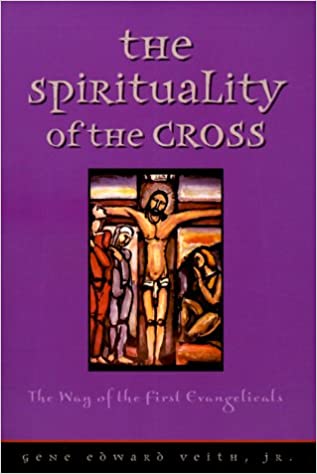
In Chapter 4 of Veith’s book Spirituality of the Cross he discusses vocation. Vocation as Veith lays it out is the thing we are called to do. The things that we are called to are indeed big things, things through which God works His goodness into the world, as masks of God Veith says. In modern America many Christians misunderstand God’s work in the world as being one of two separate things. The first is spiritual and the other is physical. But as Veith points out God’s work is always incarnational, His spiritual work is through physical and en-fleshed means and His physical work is full of spiritual significance. They also often make the mistake of thinking of God’s work as big and extravagant. In truth, much of God’s work is found in every day work full of faith and divine goodness. An example of this is in parenting. We do not shift from meaningless necessities to spiritual importance when it comes to family devotions. From the morning to the evening we are doing God’s work to our neighbour in love, reflecting the love and care that God has for them and in doing so we please God by virtue of the faith that we exercise in and through these good works to our neighbour. While this may seem like too small a thing for God to be doing, this is precisely the way that He accomplishes things such as providing daily bread to all people as we pray for in the Lords prayer, in protecting people from evil, in saving people by the ministry of gospel preaching, and no less in the very raising of children. In these and in all good things God has called us to participate with Him in His outward goodness as His masks and as His hands.
This concept may possibly be better understood if we replace the word call with placed. We are not merely called to do a thing but placed in a place in a time and among people to serve them in a specific way. This comes across in Veith’s discussion of how vocation makes us dependent on other people. Just as we have been placed in a specific context to serve others as we participate in God’s goodness so too have others been place around us to serve as as masks or hands of God. We observe this teaching faithfully when we rely on others for their gifts and their services to us. This is common sense to us in almost all circumstances, such as in health emergencies calling a trained doctor to serve us rather than going through med school ourselves or even in the smaller way of buying our groceries from a store or food from a restaurant rather than buying a farm, growing a crop, and harvesting it, etc. However there are also many occasions where this common sense is ignored or forgotten, such as when men try to impress their wives as being handymen around the house although they have not the slightest idea of how to do the job. Yet even if we did have the know-how, ability, and equipment to do those jobs around the house, God has placed us in the neighbourhood of a certain plumber, or contract worker and in our paying for his services he is helped and is thus made able through our financial support, and his service to us to feed his family and return the favour of financial support to those around him who serve other purposes in society. Is none other than the meaning of the seventh commandment, namely in the protection and improvement of our neighbours property and income. It is in respecting our placement and the placement of those around us wherein the seventh commandment is lived and the fourth petition of the Lord’s Prayer is fulfilled.
The most important point to note when discussing vocation is that it is not a second way of salvation. We do good works towards our neighbour for our neighbour because they need them just as much as we need their works to us. It is not God who needs us to do good works, He could get them done with or without us. Even less so could it be for our own salvation that we do these works because even the best of our works are tainted with sin. Through faith alone apart from works we are saved and it is the faith exercised in and through these works of vocation that makes them pleasing to God. It is because we have been loved by God that we now walk in love to others, doing likely the same thing we did before conversion, no longer as a way to earn righteousness but to participate in the goodness of God that was given first to us. To summarize vocation in one sentence we might say that is God’s invitation to redeemed sinners to participate in His own work of creating, sustaining, and gracing the world that we might reflect Him and His goodness, being conformed to the image of God from which we fell.


